
Welcome to the Baker Roofing Company Storm Center

After The Storm: What Building Owners Should Do To Check For Roof Damage After A Major Storm
how to tell if I have hail damage

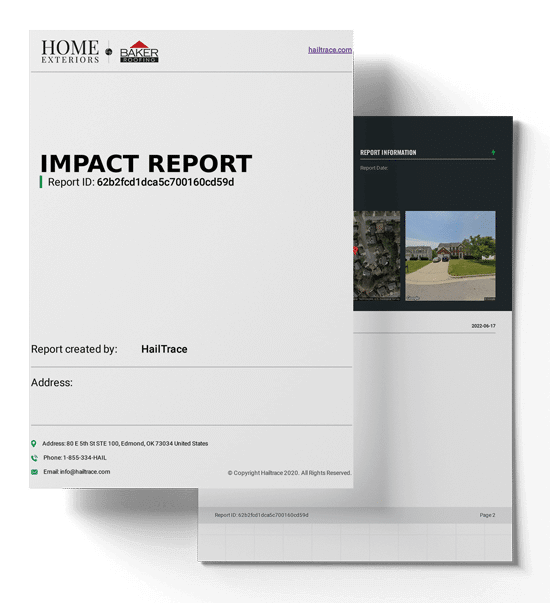
Download a complimentary Storm Impact Report

Download your complimenarty storm impact report.
Submit your information below, we will initiate a report and send you a link to download the report. If you need help interpreting the information feel free to reach out!

insurance process for roofing

What to inspect on your flat roof after a major storm event.

First things, first, safety is always your top priority.  If it’s not safe to access your roof, DON’T, call a trained professional.

roofer explaining why damaged roof is leaking.

What to look for when hiring a contractor after a major storm.

Major storms can cause problems to a building exterior. Straight-line winds, driving rain, and sustained high winds, increase the chance for roof system damage.
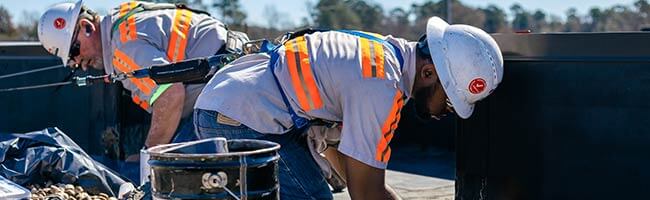
Roof being repaired by a roof repair crew after a hurricane

What to expect from a roof repair crew after a storm.

Want to know what it looks like when our team comes out to identify the roof leak in your building? Read more here.

Waterhead

A box-shaped component that connects scuppers to downspouts, helping control the flow of roof runoff and avoiding unsightly cascades. Waterheads are also called conductor heads or rainheads.

Expansion Joints

Flexible joints built into a roof system that absorb movement from expansion and contraction. They prevent cracking and leaks at connections between different parts of your roof assembly.

Drip Edge

An L-shaped piece of roof edge flashing that helps rainwater flow off the roof and away from the fascia boards. It prevents water from seeping under shingles or other roofing materials, protecting the roof deck from rot.

Capillary Action

The process where water moves into tiny gaps or along narrow spaces, often against gravity, because of surface tension. In roofing, it can draw water into seams or cut edges, leading to hidden leaks and damage.

Membrane

The waterproof layer in a roofing system that protects the building from water intrusion and reflects sunlight, lowering energy costs. It’s usually the top layer of the roofing system and can be made of materials like TPO, PVC, EPDM, or modified bitumen.

Heat welded thermoplastic membrane

A type of white single-ply roofing membrane that’s sealed at the seams using hot air, creating a waterproof layer over the roof. It’s commonly used on flat or low-slope commercial buildings, since these roofs need to most protection from water infiltration.

EPDM (ethylene propylene diene monomer)

A black, gray or white rubber roofing membrane known for its long lifespan. It’s commonly used on flat or low-slope buildings and is typically glued down, mechanically fastened or ballasted, not heat-welded.

PVC (polyvinyl chloride)

A high-end type of heat-welded thermoplastic membrane that stands up well to oils and chemicals. It’s ideal for restaurants or industrial buildings for its extra resistance, though it usually costs more.

TPO (thermoplastic olefin)

A durable type of heat-welded thermoplastic membrane that reflects sunlight and helps reduce cooling costs. It’s a cost-effective option for flat roofs but may not perform as well as PVC in harsh environments.

End cap

A metal cap that seals the open end of gutters, flashings, or panels. End caps prevent water from spilling and protect roof edges from corrosion or leaks.

Soldered joint

A watertight joint created by joining metal roofing or flashing components together. Soldered joints provide long-lasting, durable seals against water infiltration.

Parapet wall

The short wall that extends above the roofline, often around the roof’s edge, to provide safety, block wind, and in some cases help manage water drainage. In roofing, parapet walls are usually capped with coping to keep water from seeping into the wall structure.

Retro drain

A roof drain retrofit designed to fit inside existing piping without major demolition. Retro drains are cost-effective solutions for improving drainage on older roofs.